How learning and memory work together
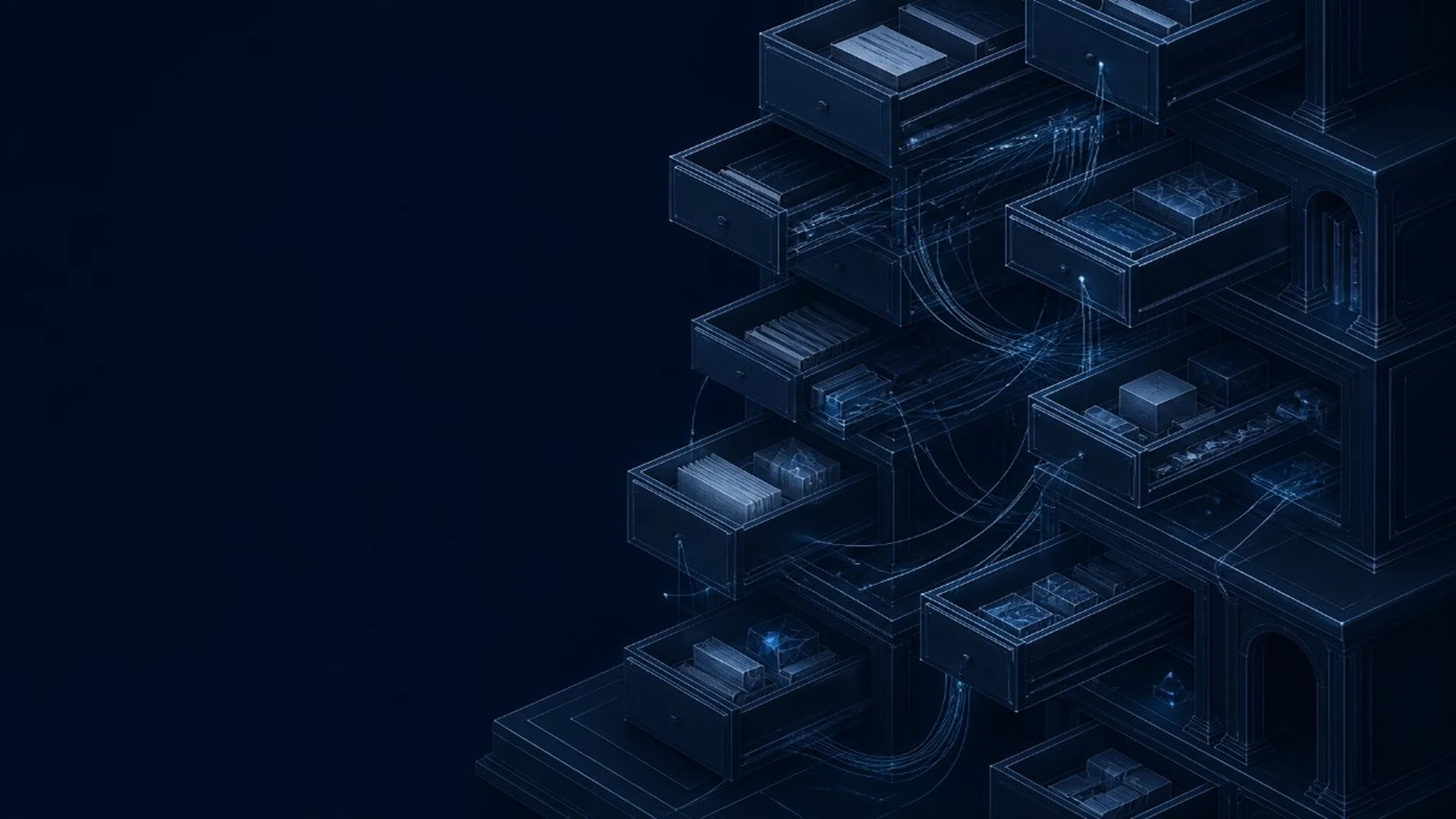
Two stores, one class
Scooling keeps the path, the flow, and the personal model. Knowtation keeps the notes a person decides to remember. They work as a pair because a lesson and a memory are different objects.
A path is shared order. A personal model is one person's picture of the subject. A note is something that might become part of that picture, after the person approves it.
What an assistant may touch
An assistant may draft a lesson step, a reminder, or a summary. A draft is a proposal. It is not yet part of the path, and it is not yet a lasting memory.
An assistant may draft, and a lasting write waits for the person's approval. Approval means the person, not the assistant, decides that those words should stay.
A class over time
A class can share a path while each person keeps a separate memory. The teacher sets the order. The students walk it. Each student keeps the notes that matter to them.
When the class returns the next week, the path is still the shared order. The memories are still personal. Nothing in the path silently rewrites what a person chose to keep.
Why the split helps
If learning and memory were one pile, a draft could become the record, and one person's notes could become everyone's path. The split keeps the class moving and the person in charge of what they remember.
Presence can sit in the room while this happens. theBRAIN can be beside the lesson and the memory. The lesson stays in Scooling. The memory stays in Knowtation.